Nights out aren't dead - they're just changing.
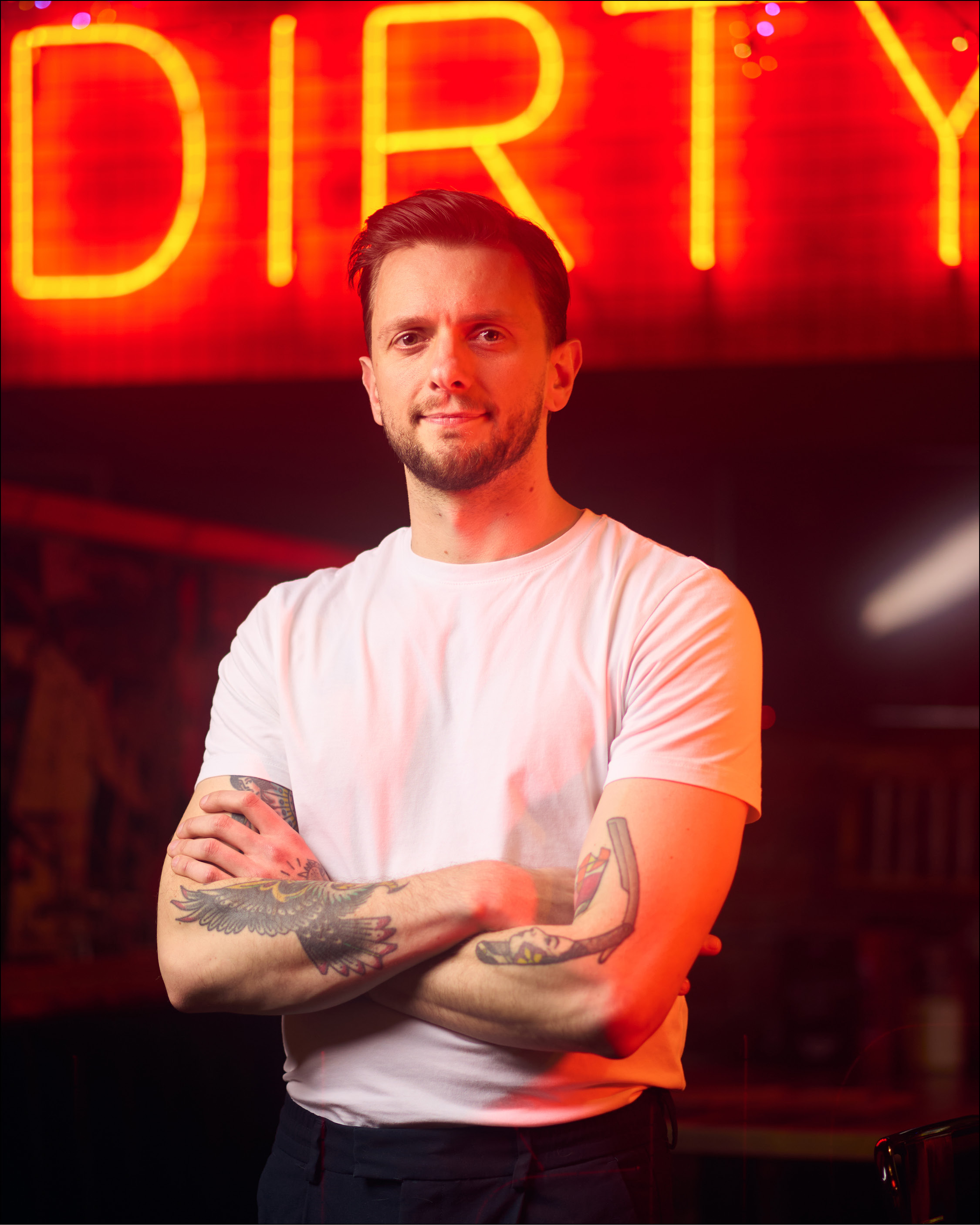
The hospitality industry has undergone a dramatic transformation over the last decade, with changing consumer habits, the impact of the pandemic, and the rise of experience-led venues reshaping what a successful night-time economy looks like. In this article, Jake Whittington, Managing Director of LBL, reflects on his experiences working in hospitality and shares his perspective on how venues must evolve to meet the changing expectations of today's customers.

Only a few years ago, a Friday night in a town centre meant packed dance floors, bars four deep, and chaos until the early hours. Now, it's different and it's changing faster than we could ever have imagined.
When I started my career in hospitality almost 15 years ago, I worked in a nightclub in Worthing, about 30 minutes outside Brighton, famous for being "God's waiting room". The 2,000-capacity nightclub would have queues running down the street from 10pm every Monday, Thursday, Friday and Saturday night, operating at full capacity until the sun came up. £1.50 drinks, three-for-£5 bombs, sticky dance floors, you know the drill.
As the years went by, Thursdays dropped off, then Mondays, and eventually Fridays became hit and miss. I was about 19 at the time, so I didn't fully understand what I was witnessing.
It wasn't the "death" of late-night drinking, but it was a slow, grating evolution that the pandemic accelerated, leaving operators scrambling to understand what was happening and how to respond.
We opened Dirty Blondes in 2019, less than three months before the first lockdown. A dive bar nestled down the back alleys of Blackpool, it lent itself to being a late-night hideaway for those wanting to avoid the chaos of Queen Street. Fridays and Saturdays worked well, DJs, bands, pizza by the slice. Our weekends were booming, but midweek? Nothing.
There wasn't a middle ground in Blackpool in 2019; it was either a pub or a nightclub. Dirty Blondes was meant to blur those lines, but for many reasons, it just wasn't happening.
Then lockdown hit, and we had to pivot. We wanted to keep everyone in work, and the only way we could do that was through deliveries. Our social media posts had gained us thousands of followers during the early days of lockdown, but hardly anyone had actually visited the venue yet. So when we switched on our delivery system, we were flooded with orders. We'd gone from selling a few slices a day to operating at maximum capacity. It wasn't particularly profitable, but it got our name out there.
Everything changed when Eat Out to Help Out was launched. Our DIY Excel booking system was overloaded, with more than 120 covers a day. People came to eat, drink and discover what we were all about. It forced people to use our space differently, and it forced every venue to adapt to the "new normal" of hospitality.
Through its many rules and guidelines, it rewired how guests interacted with venues. Most notably, people now queue like they're at the Post Office. When restrictions were lifted, our midweek trade became healthy, our food-to-drink split increased, and the venue grew into what we had originally set out to build. We could see that this shift in spending habits, use of space and attitude towards hospitality was going to stick.
Over the last couple of years, we've seen another steady shift. Pubs and social spaces are gaining traction by focusing on quality, interesting products and environments where people can meet and talk. Big nights out are increasingly reserved for special occasions, a reason to go out, an experience to enjoy. That's where we're seeing activity-led venues thrive.
Our challenge is being both of those spaces.
The concept of the "third space" suggests that people have three key environments where they spend most of their time: home, work, and a third place where they socialise and feel a sense of belonging. Dive bars are perfectly suited to that role. We built our venue around sharing pizzas, interesting drinks, gaming consoles and live music — a hideaway you can visit at 4pm or 1am and still get exactly what you're looking for.
Events like Bandaroke create the energy and reason to visit late at night, while evenings such as Whiskey & Wax blur the line between record-store chill-out sessions and DJ-led experiences. Our cocktail specials offer something for the curious, and our food sets the table for casual catch-ups with friends.
Our focus for 2026 is building a stronger community around our venue and becoming more people's third space. Whether you're enjoying a family day out with pizza, heading out for a big night, or simply popping in for a pint on your own, our goal is to make that experience a great one, no matter the time of day.


